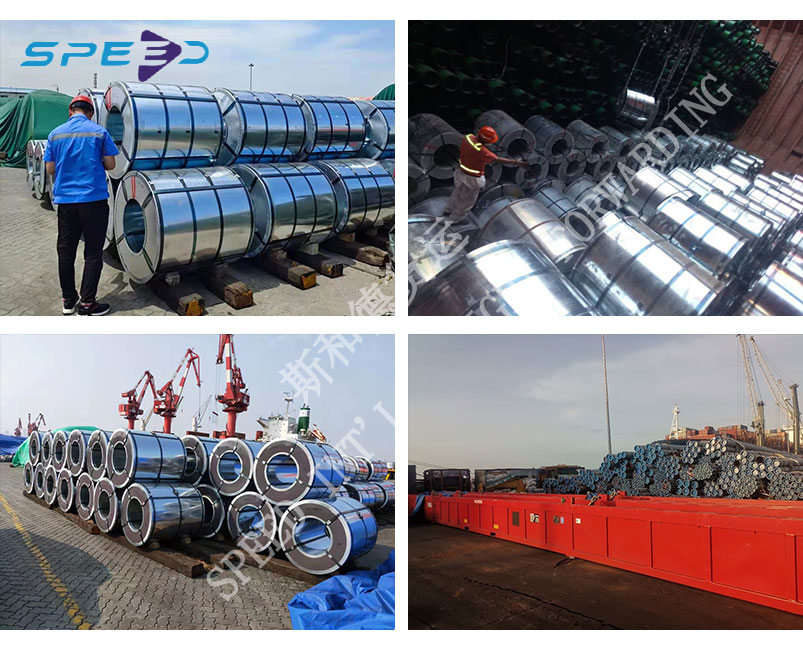
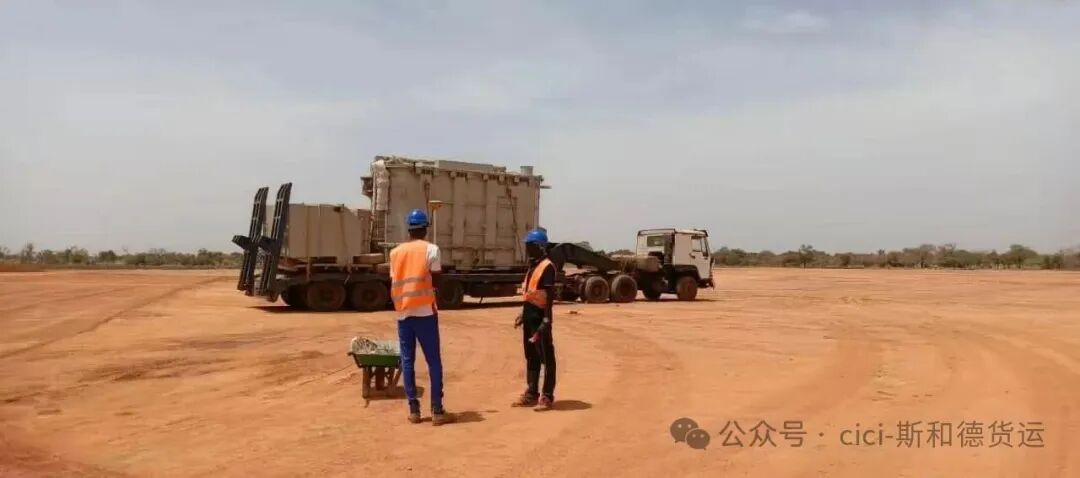
Between severe road conditions, complex border customs rules, scarce heavy-duty trailer resources, and unpredictable security risks, the margin for error is zero. Here is how SPEED INT'L navigated these exact hurdles to successfully execute a Tema to Ouagadougou logistics mission, delivering two 80-ton transformers and critical accessories directly to the site.
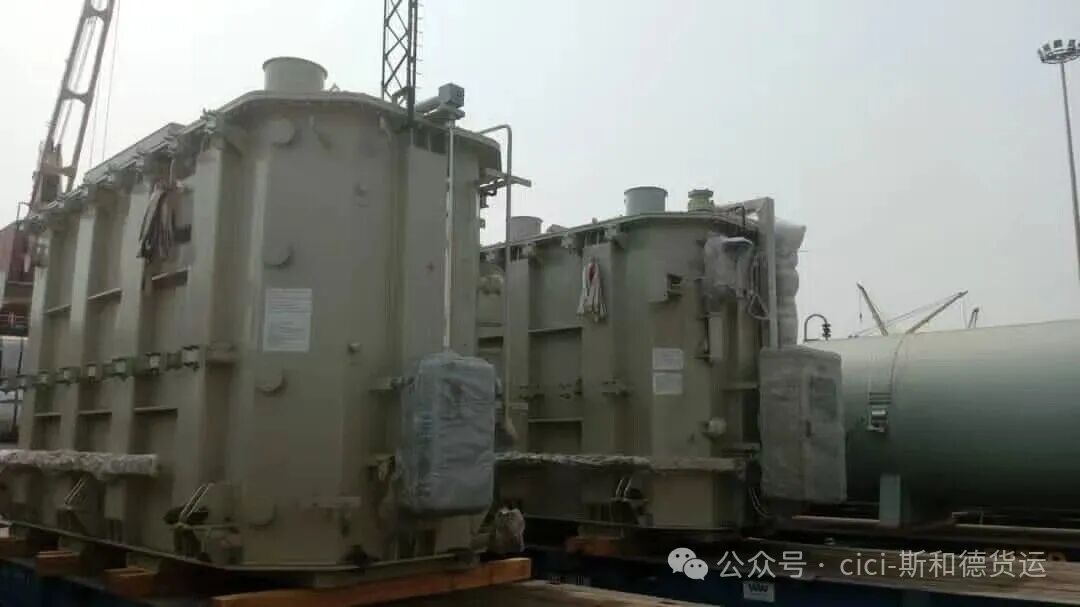
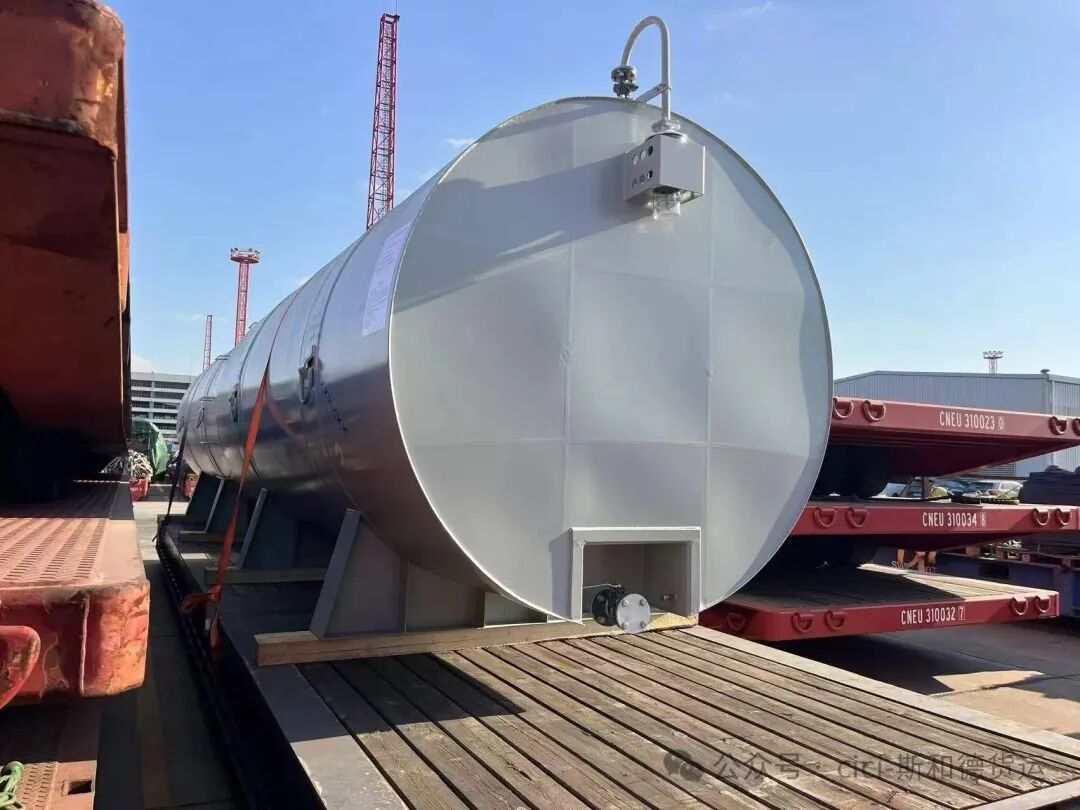
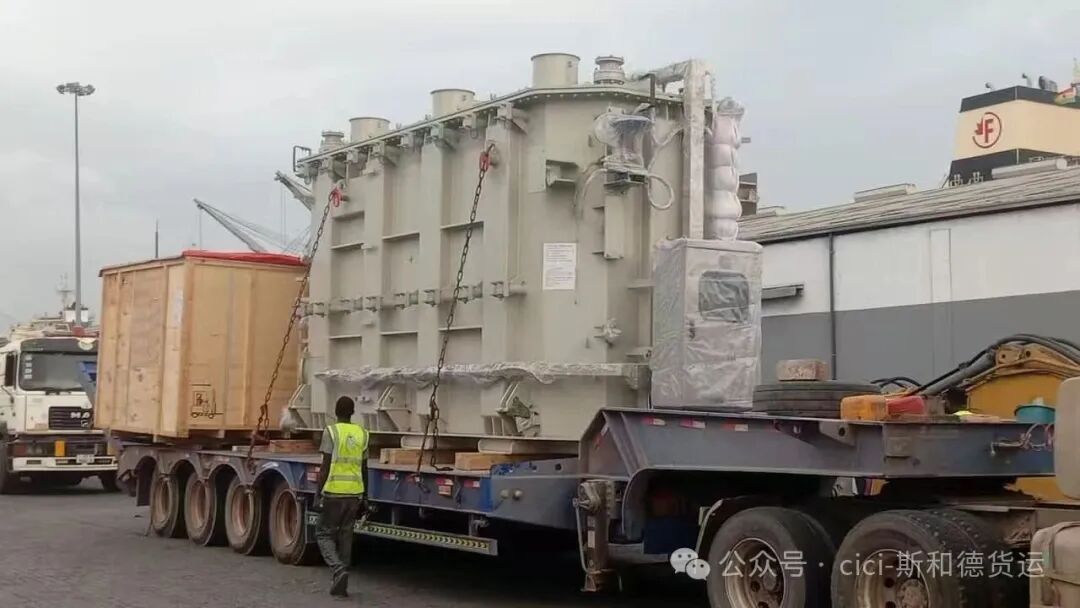
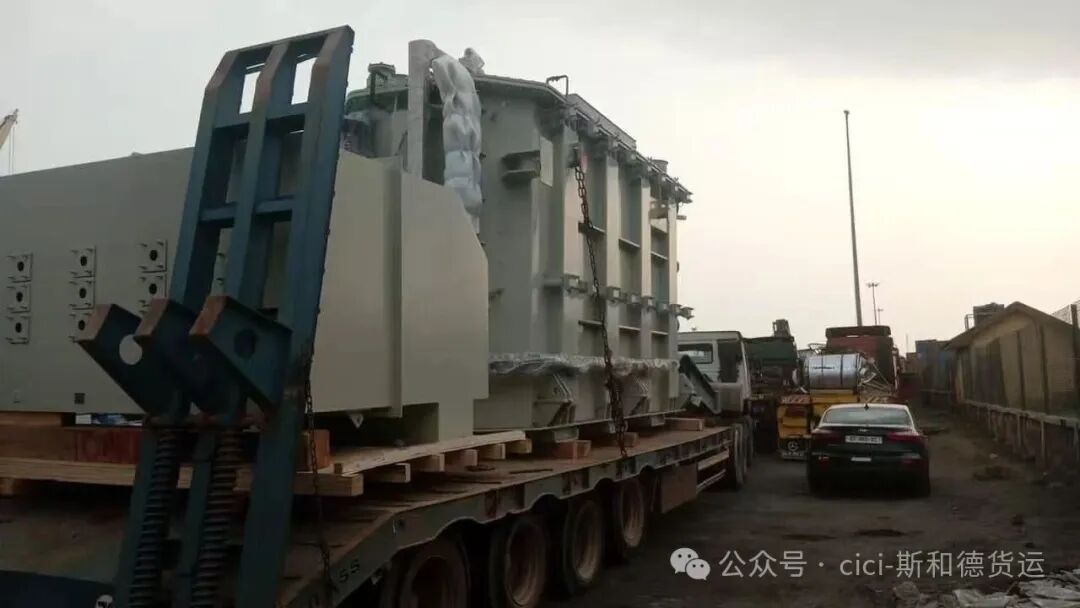
👉 The Risk: Shortly after dispatch, the multi-axle trailer carrying an 80-ton transformer broke down on the route. If your transformer gets stuck mid-route, replacing a specialized trailer in West Africa can take weeks—risking a complete project shutdown.
✅ Our Solution: Our on-site emergency response team immediately secured the cargo location, dispatched a mobile repair unit, and coordinated local resources. Instead of abandoning the cargo, we actively managed the 10-day repair process while continuously updating the client, ensuring the multi-million dollar asset remained safe.
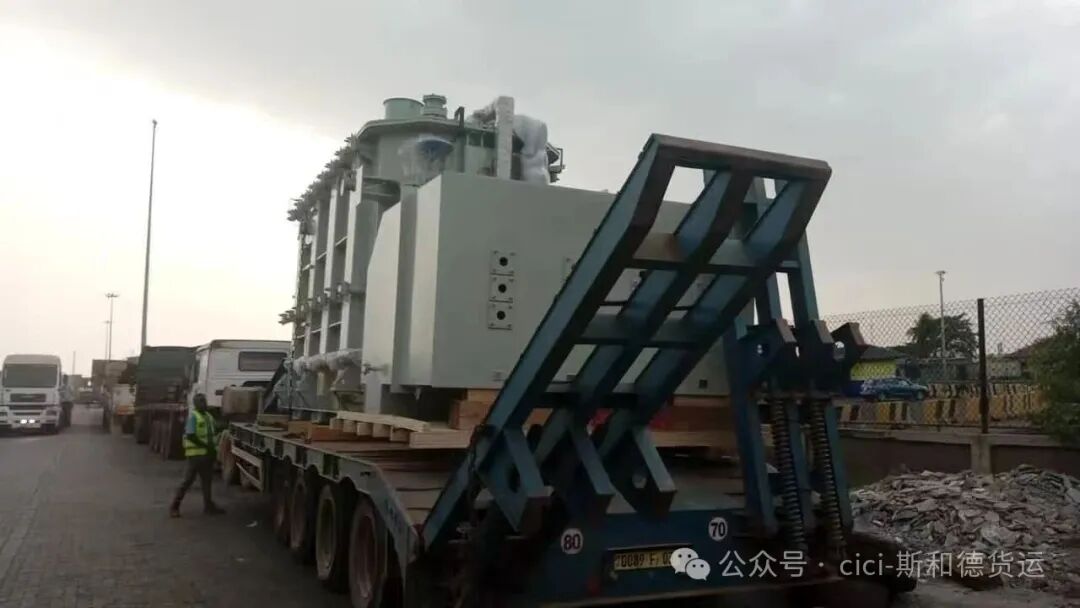
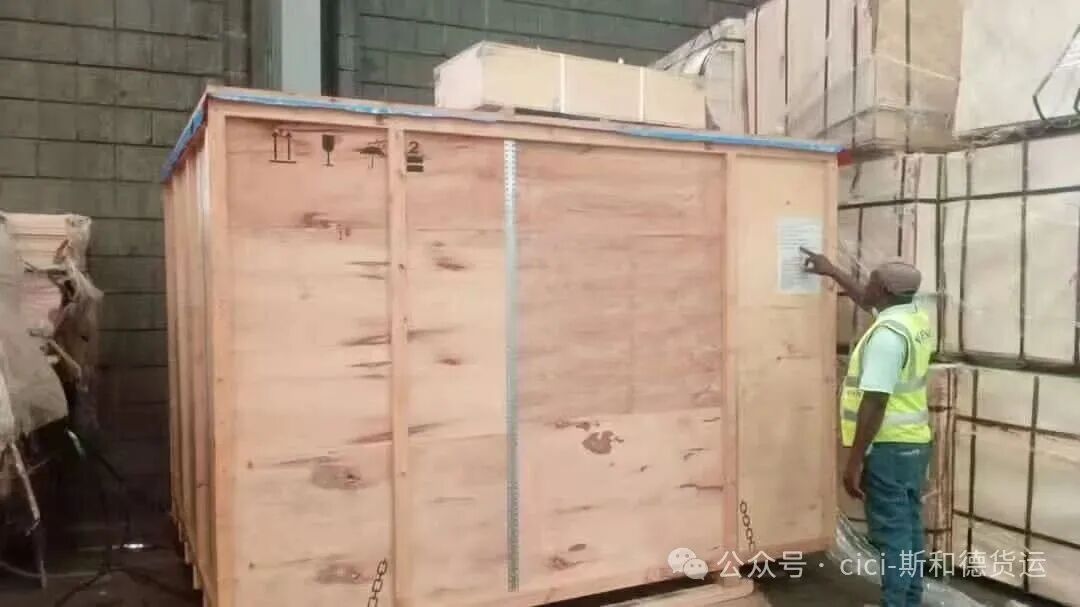
👉 The Risk: At key crossings like the Dakola border, customs regulations mandate that all vehicles under a single shipment manifesto must arrive simultaneously before clearance is granted. The breakdown of one truck trapped the rest of our convoy at the border, causing daily truck detention fees (demurrage) to skyrocket.
✅ Our Solution: While conventional forwarders would pause operations to argue over liability with the trucking fleets, SPEED INT'L prioritized the project timeline. We absorbed the upfront detention costs, paying the fleets in cash to stabilize the situation. We keep the Ghana to Burkina Faso transport moving first to prevent catastrophic project delays.
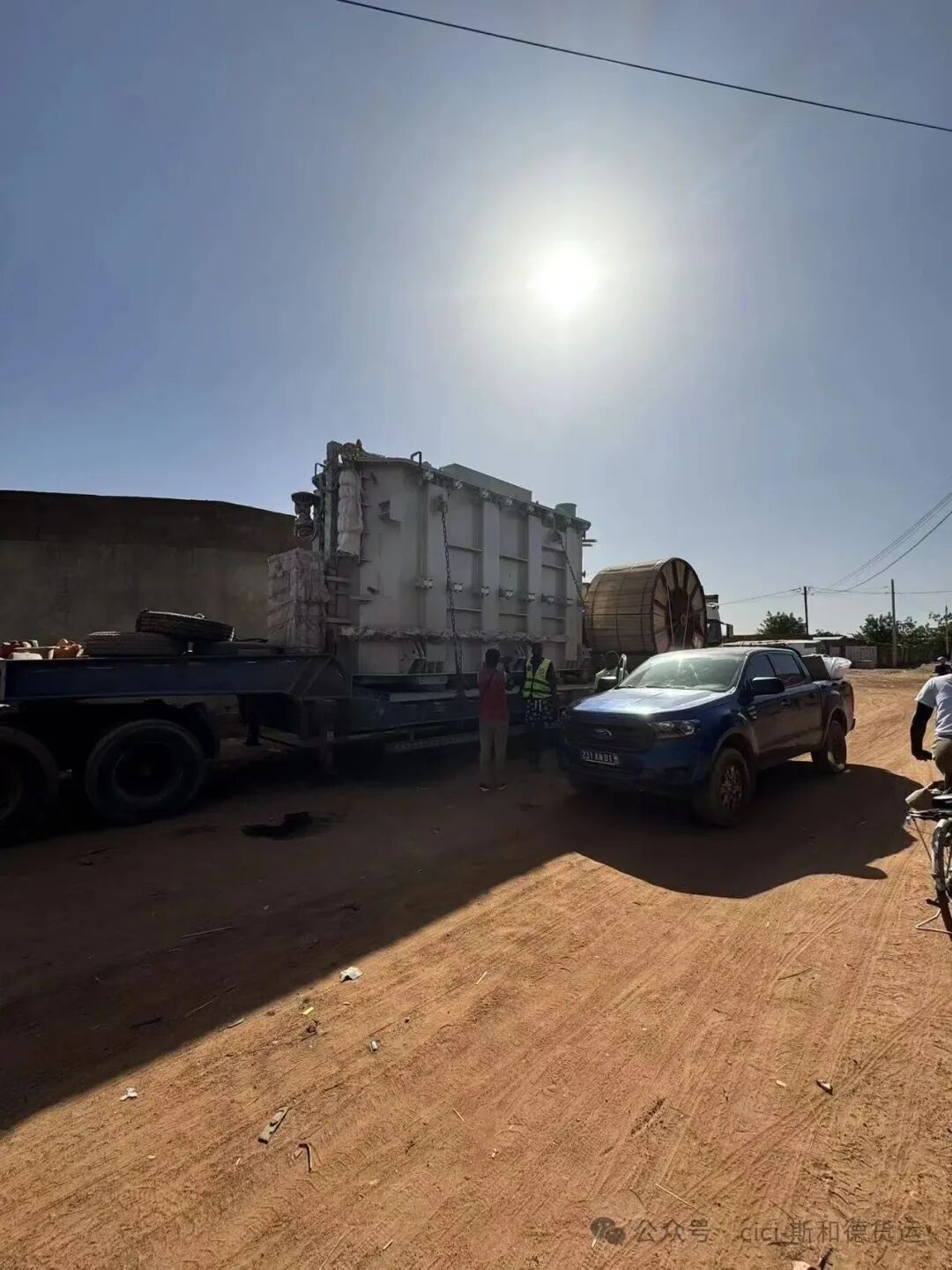
👉 The Risk: Managing Tema to Ouagadougou transport often involves unpredictable local environments. Upon arriving at the site, the convoy had to wait for heavy cranes. During this period, armed personnel activity and gunshots were reported nearby. Drivers panicked and prepared to abandon the cargo and flee back to the city.
✅ Our Solution: Our on-ground crisis management took over. We verified the immediate security threat level with local authorities, arranged secure accommodations, and calmed the drivers. We stabilized the human element of the supply chain, ensuring the convoy held its ground until the cranes arrived for safe offloading.
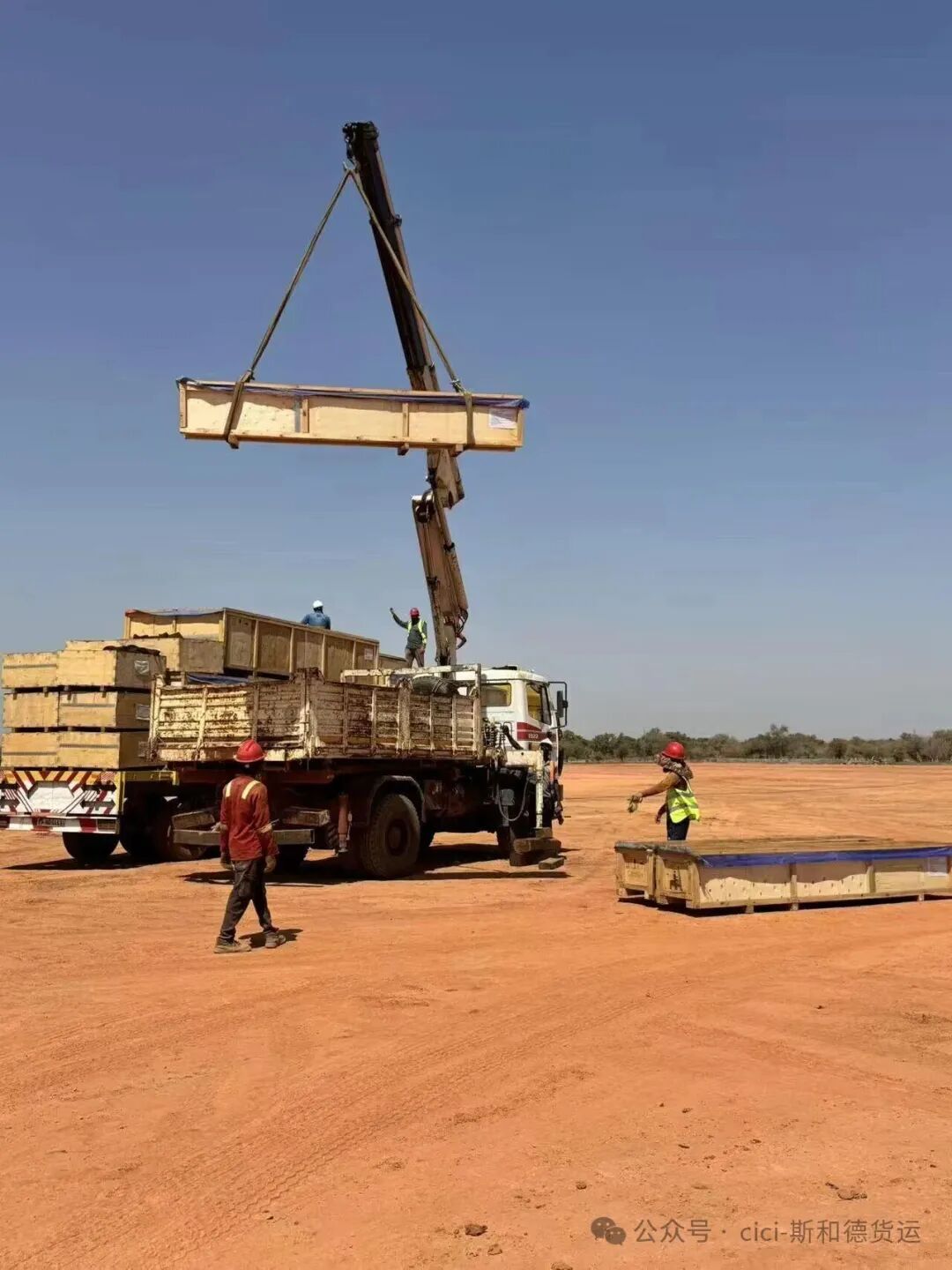
Don't leave your multimillion-dollar equipment to chance.
👉 Submit your cargo details now — receive a preliminary route & risk assessment within 24 hours.
A: Due to strict cross-border customs regulations, all vehicles under a single shipment must arrive at the border before customs releases the cargo. SPEED INT'L actively manages these delays and demurrage issues to minimize overall project disruption.
A: Safety for personnel and cargo is our highest priority. During unforeseen security threats, our on-ground team continuously assesses the situation with local authorities, secures the cargo, and provides real-time support and safe accommodation for drivers.
A: Yes. We specialize in heavy lift Africa logistics, utilizing multi-axle and low-bed trailers to transport 80-300 ton equipment from coastal ports like Tema deep into landlocked countries like Burkina Faso and Mali.
👉 Ready to move your heavy equipment?
Request a free feasibility assessment for your project shipment today.