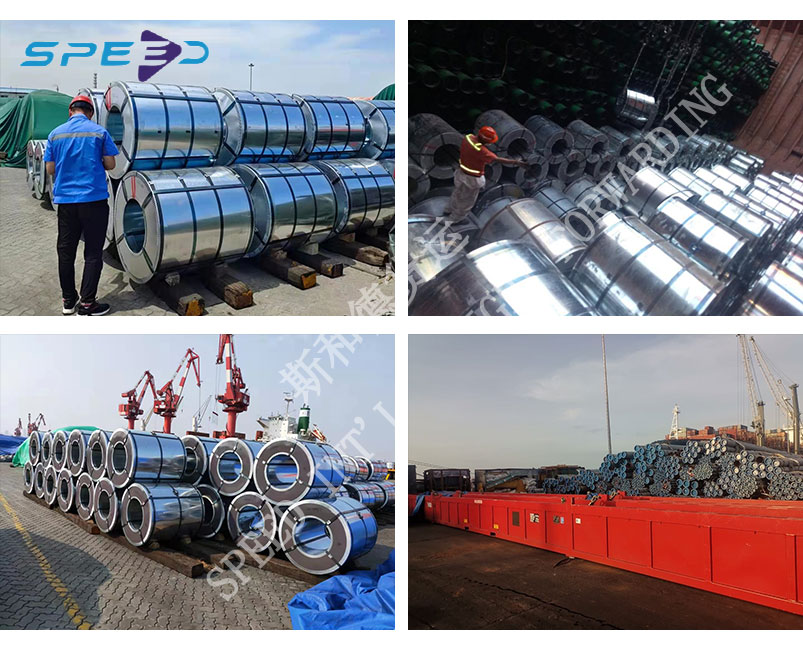
Most first-time exporters to Ghana hear one port name: Tema. It is short, easy to remember, and it turns up in almost every quotation for vehicles, construction equipment and project materials heading to West Africa. But Tema is not just a point on a map — behind the name sit vessel schedules, discharge capability, customs formalities and inland transport. Knowing how those pieces fit together is what separates a smooth first shipment from an expensive lesson.
Tema sits on the Gulf of Guinea in south-eastern Ghana, just east of the capital Accra. It is the country's main seaport; Takoradi, further west, is the other one. In practice, when cargo is vehicles, engineering equipment or project material, Tema is the name that appears most often.
Tema also works as a regional gateway. It does not only serve Ghana: cargo for landlocked Burkina Faso, Mali and Niger is routinely routed through Tema and moved north by road.
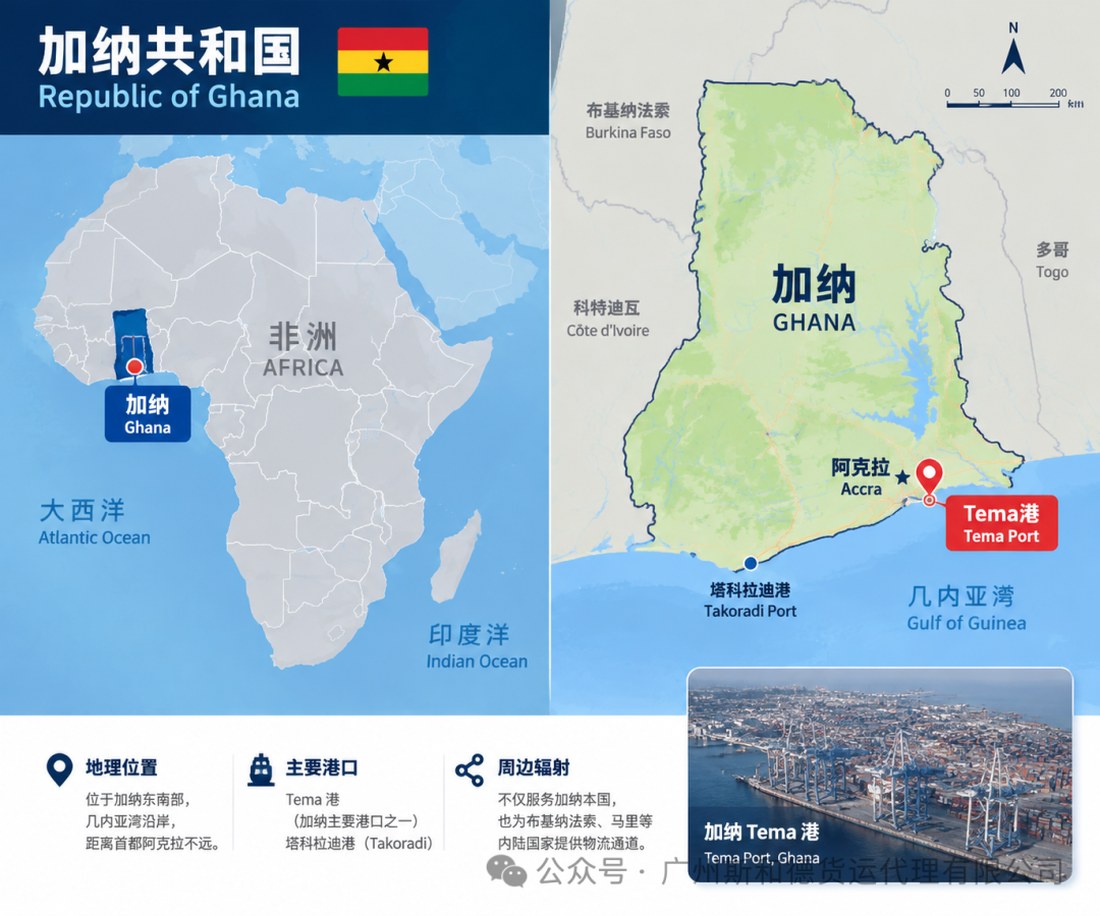
It follows the rhythm of Chinese projects in Africa. Construction, mining and power work starts, and the equipment follows: plant, machinery, vehicles, structural steel, spares.
This is not ordinary consumer freight. Behind a single machine or a batch of trucks there is usually a project, a construction schedule and a delivery milestone. That changes the questions a shipper should ask. It is rarely only "how much is ocean freight". It is also: will the cargo be accepted for the intended vessel, can the port discharge it, and can the onward move be connected in time?
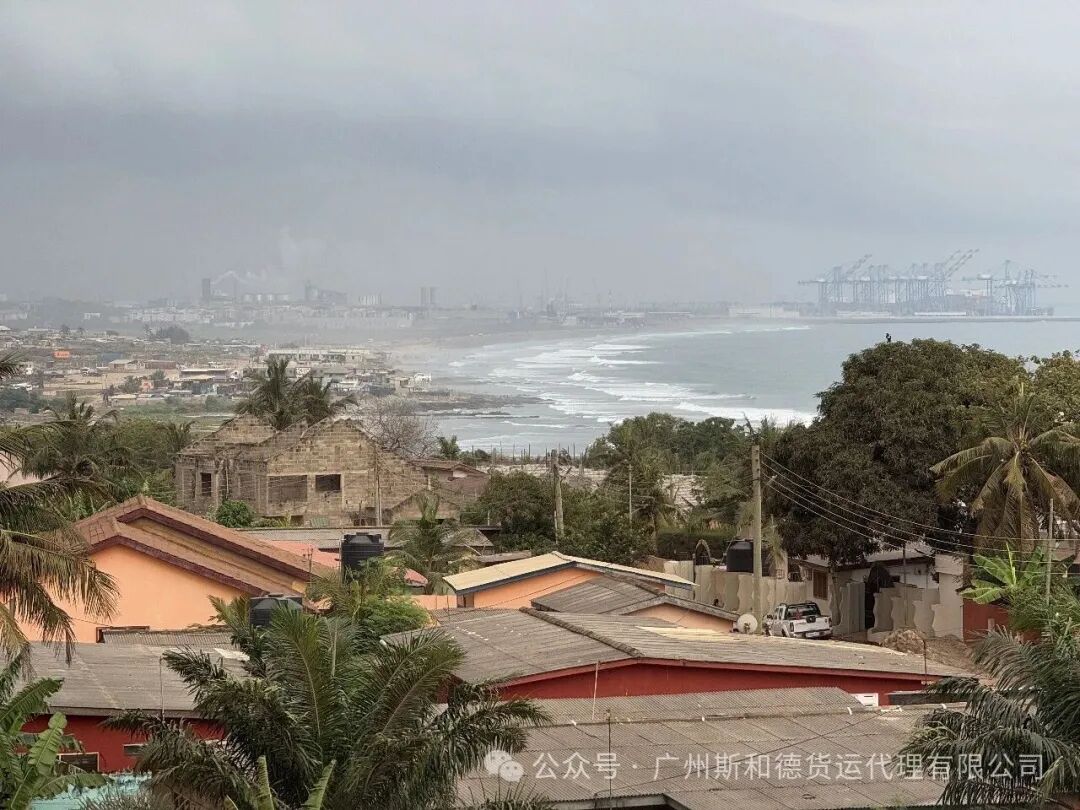
Tractor units, tippers, buses and construction vehicles are among the most common Tema cargoes. On paper it looks simple; in practice the details decide the booking: vehicle dimensions, condition, lashing method, customs paperwork and the carrier's own restrictions.
Some units are better rolled on, some fit into containers, and some are simply too large and go as break bulk. There is no single answer — it depends on the vehicle, the sailing and the port arrangement.
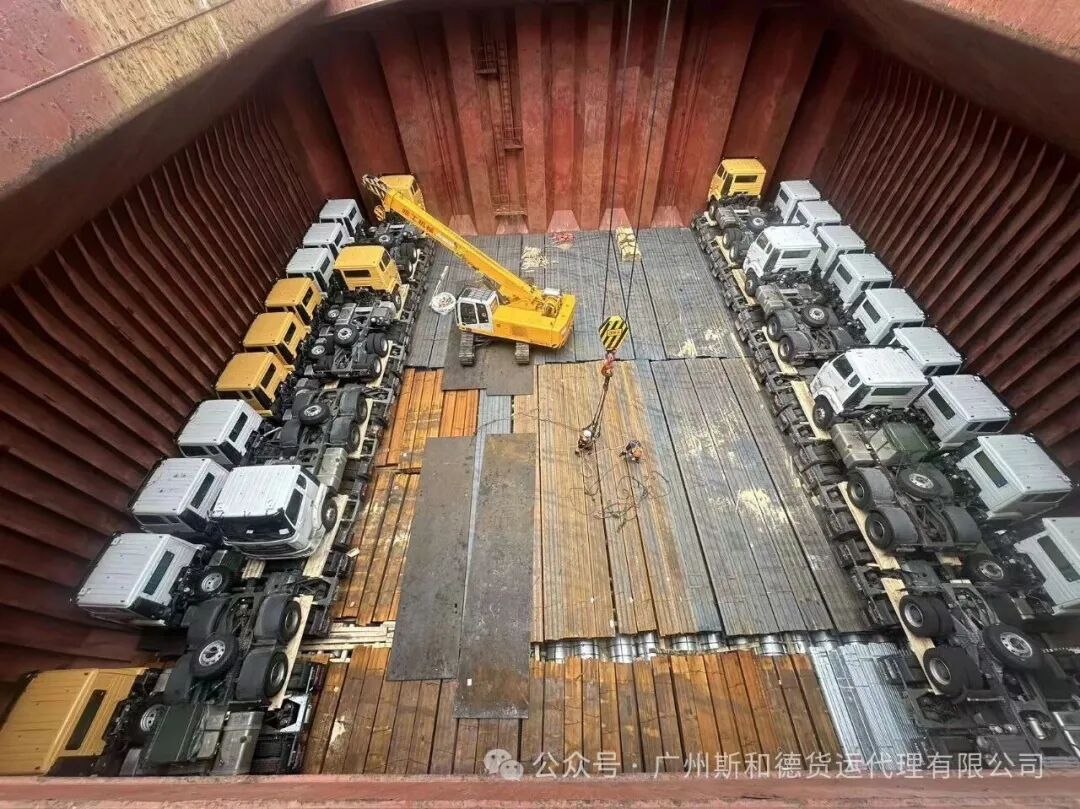
Mining plant, engineering machinery and oversized equipment are the other staple. For this category the single most important document is the packing list.
Not "how many cubic metres in total" — but how many pieces, the weight of each piece, its dimensions, and the weight of the heaviest single piece. Those numbers drive vessel stowage, the lifting plan and the charges at the destination port.
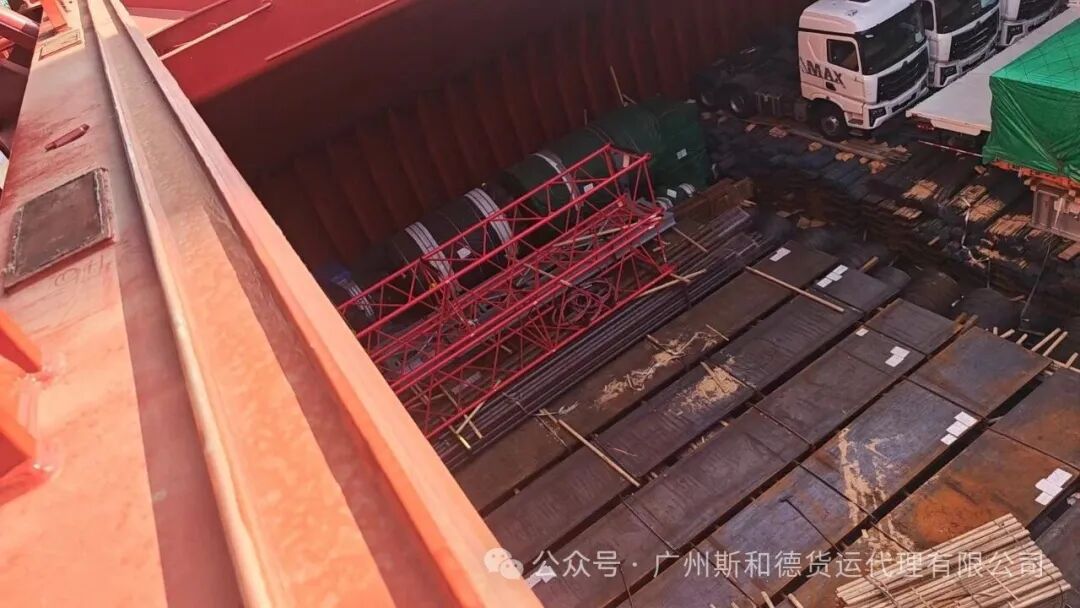
A common first-time assumption is: give me a price now, I will send the details later. Break bulk does not work that way.
The same batch of equipment at 10 tonnes per piece and at 30 tonnes per piece can require completely different transport solutions. At Tema, heavy-lift handling charges at the port are usually banded by unit weight. If the advance list says ordinary equipment and the actual loading reveals heavy units, both the cost and the operation change.
That is not a carrier inventing surcharges. It is the plan being built on the wrong starting data. In project logistics, cost differences often come from how accurate the early information was — not from the ocean freight rate itself.
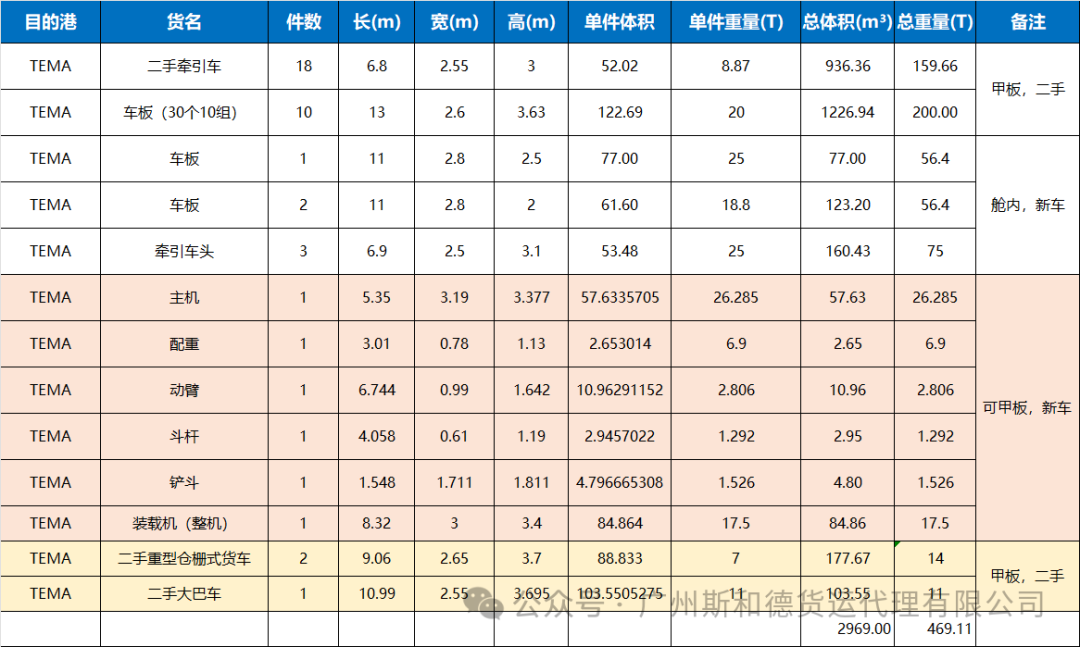
Here is a real Tema booking we handled — vehicles and equipment on one vessel. The itemised list is what made both the quotation and the loading plan possible:
Total volume for the same booking: 2,969 m³. Heaviest single piece 26.3 t (excavator main body). That single number — not the total tonnage — is what determines the lifting plan.
Every booking starts with the same four questions:
| Location | Gulf of Guinea, south-eastern Ghana, just east of Accra |
| Role | Ghana's main seaport; Takoradi is the alternative |
| Typical cargo | Vehicles, mining and construction equipment, project materials, containers |
| Inland reach | Ghana nationwide, plus Burkina Faso, Mali and Niger |
| LCL consolidation | Weekly, minimum 2 CBM — LCL from China to Tema |
| Documentation | Bill of lading, invoice, packing list and Ghana CTN; clearance through ICUMS |
For vehicles, project equipment and containerised cargo, Tema is the usual choice and has the wider range of sailings. Takoradi, in the west, is closer to the oil and gas and timber regions. If your consignee is in the west of Ghana, it is worth comparing both.
Our weekly LCL consolidation to Tema runs on a roughly 30–35 day port-to-port basis from South China. FCL and break bulk depend on the service and transhipment routing, so the transit time is quoted per sailing rather than as a fixed number.
Yes. Ghana requires a Cargo Tracking Note (CTN) for sea imports, and it has to be in place before the cargo arrives — it is not something that can be fixed after discharge. We handle Ghana CTN as part of the booking.
Yes, but the mode changes with size. Flat rack and open top containers cover a wide range; beyond roughly 40 tonnes per piece or around 4 metres in width, break bulk becomes the practical option. What matters is knowing the dimensions and unit weight before the vessel is fixed.
2 CBM. Tema and Luanda are the two African destinations where we run our own LCL consolidation; for other ports we handle FCL, break bulk and project cargo. See LCL consolidation to Angola and Ghana.
Because break bulk is priced and planned per piece, not per cubic metre. Stowage, lifting gear, port heavy-lift charges and the vessel's cargo plan all derive from unit weight and dimensions. A total volume alone cannot produce a firm quotation.
Tema is not the only option in West Africa, but for Ghana and the surrounding market it is where a large share of Chinese project cargo lands. Understanding a port is not only knowing where it is — it is knowing what cargo suits it, and what has to be checked before the vessel sails.
Related: Break bulk shipping · Out-of-gauge cargo · Sea freight to Africa
SPEED INT'L — China–Africa project logistics. NVOCC MOC-NV11880. Vehicles, engineering equipment, break bulk and project cargo.